
Wasp Control in Victoria
Wasp treatments in the Victoria area with 24–48 hour turnaround on all bookings
* up to 20 feet high
Yellowjacket Wasp
If you’re thinking about removing Yellowjacket wasps yourself, think again; Yellowjackets can be extremely dangerous to remove without the right training and tools. Since 1986, Victoria Pest Control has been the preferred service for wasp control in Victoria, BC. We have the training, expertise and equipment to safely and effectively remove Yellowjacket wasps from your home or business.
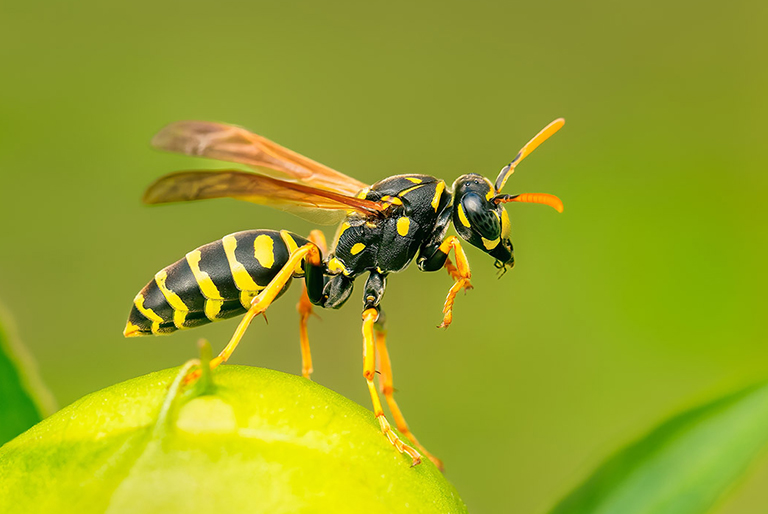
Identification
The most common type of pest wasp in B.C. is the Yellowjacket. This wasp is medium-sized flying insect, 10 mm to 16 mm long, with a distinct head and chewing mouthparts, large eyes and short antennae. The abdomen is banded with yellow and black, and tipped with a stinger. There are three castes, or types, of the insect: queen, worker and male.
Behaviour
The Yellowjacket is a social insect which lives in nests or colonies during the summer. During late summer the queen will mate with the male and will then find a sheltered spot to spend the winter. In spring she will find a protected spot to start building a paper nest, and lays her eggs. Hatching wasps will be fed by the queen until there are enough mature workers to take care of the hatching wasps. The wasp nest can become quite large (1,000 to 4,000 wasps) and can be found in protected locations, such as underground, inside hollow trees and in eaves and roofs of houses. Wasps feed off of various insects, dead animals and available human food. Although the wasp is beneficial in nature by controlling other types of insects, it is also considered a pest near homes and people. Wasp nests are dangerous to people when the entrance is close to human activity, or when a nest inside the attic will start to break through into the home. Wasps can be very aggressive when defending their nests.

Prevention
Wasps are difficult to prevent outright. Ensure that cracks and gaps in the eaves and attic of the home are tightly sealed, and screening is fastened securely in place for ventilation holes. When wasp nests are removed without proper control methods, it is common that surviving wasps will reconstruct the nest in the same location.
Control
Removing wasp nests can be very dangerous without the proper training and equipment. A pest professional will quickly remove and control the nests to prevent rebuilding at the same location.
Frequently Asked Questions About Wasp Control
Why Do I Have Wasps?
Canada is home to more than 500 species of wasps, with many social species living in colonies that can range from a few individuals to as many as 15,000. Common pest wasps include hornets, yellowjackets, paper wasps, and mud daubers.
Different wasp species build nests in different locations. Paper wasps construct single-layer nests from chewed plant material and commonly attach them to fences, branches, eaves, door and window frames, joists, and soffits. Their nests may be exposed or enclosed in a paper-like covering and can contain up to 300 wasps.
Yellowjackets and hornets also use chewed plant material to build nests, but their nests are typically multi-layered and may be found in hollow trees, wall voids, sheds, garages, attics, trees, shrubs, or underground. Yellowjacket nests can contain up to 3,500 individuals.
Mud daubers are solitary wasps that build mud nests in sheltered areas, including protected parts of buildings and walls. Multiple nests may be built together, forming clusters that can extend more than a metre across.
Wasps are commonly attracted to food, beverages, and garbage. Depending on the species, they may feed on nectar, fruit juices, honeydew, insects, or human food. Female wasps may also overwinter in protected areas such as attics, barns, garages, and other accessible storage spaces.
How to Identify Wasps?
Wasps are generally hairless, unlike many common bee species, and have three main body sections: the head, thorax, and abdomen. A narrow structure called the petiole connects the thorax to the abdomen, creating their characteristic slender waist. The thorax has three pairs of legs and two pairs of membranous wings which is used for flying. Like most insects, the head contains compound eyes, segmented antennae, sensory organs, and mouthparts. In females, the end of the abdomen is modified into an ovipositor used for laying eggs.
Wasp size and colour vary by species. Yellowjackets and hornets typically have stout bodies with bold yellow, white, and black markings. Paper wasps are longer and slender, measuring about 16–25 mm, with long legs and yellowish-red and black markings. Mud daubers have very long, slender bodies, about 13–25 mm, with an elongated or stalked abdomen and are mainly black, sometimes with pale yellow markings.
How can I tell the difference between wasps, yellowjackets, hornets, and bees?
Several characteristics can help distinguish these insects, including body shape, hair, size, colour, markings, and behaviour. Bees generally have rounder, fuzzier bodies, while wasps, yellowjackets, and hornets tend to have smoother bodies with a narrower waist. Yellowjackets and hornets are both types of wasps, although their appearance and nesting habits can vary by species.
Bees: Bees typically have broader, more robust bodies covered with visible hair. Their body hair helps them collect and carry pollen. Bees are important pollinators and generally do not sting unless they are threatened or their nest is disturbed.
Wasps: Wasps usually have smooth, slender bodies with a distinct narrow waist and relatively less hair compared with bees. Depending on the species, they may have black, yellow, brown, or reddish markings. Many wasps prey on other insects, while adult wasps may also feed on nectar or seek out sugary foods and drinks.
Yellowjackets: Yellowjackets are a type of wasp and generally have distinctive black-and-yellow markings, relatively compact bodies, and a defined waist. In Canada, some yellowjacket species nest in or around structures, while others may build nests underground or within protected cavities. Yellowjackets can become defensive if their nest is disturbed.
Hornets: Hornets are also members of the wasp group and are generally larger and more robust than many other wasps. Their appearance can differ depending on the species. For example, the bald-faced hornet commonly found in Canada has black-and-white colouring rather than black and yellow. Despite its name, it is technically a type of aerial yellowjacket.
What attracts wasps to my house or yard?
Properties that offer accessible food sources and suitable locations for nesting can attract wasps. Around homes and yards, common attractants include sugary foods and drinks, garbage, ripe fruit, other insects, and protected areas where wasps can build nests.
Some common wasp attractants include:
- Sugary foods and drinks: Adult wasps consume sugary substances such as nectar, honeydew, fruit juices, and sweet human foods. Soft drinks and other sugary beverages can be especially attractive to foraging wasps.
- Garbage and food waste: Wasps can find readily available food in open or overflowing garbage containers. Human food waste is a major reason wasps may gather around homes, picnic areas, and other outdoor spaces.
- Outdoor meals and spills: Uncovered food and spilled sweet beverages can attract wasps to patios, decks, and other outdoor areas.
- Ripe fruit and fruit trees: Wasps may feed on ripe fruit and fruit juices, so fruit-bearing trees and fallen fruit can attract them to yards.
- Other insects and spiders: Many wasps are predators, so properties with large numbers of insects and spiders can provide an additional food source for wasps and their developing young.
- Trees, shrubs, and bushes: Vegetation can offer protected locations where wasps may establish nests. Maintaining foliage can help reduce potential nesting sites around the property.
- Existing holes and burrows: Some wasps use existing rodent burrows and other cavities in the ground for nesting. Bare or sandy soil can also provide suitable conditions for certain ground-nesting wasps.
- Protected areas of your home: Wall voids, attics, soffits, and other sheltered areas within structures can provide suitable locations for nesting or overwintering.
How do I know if I have a wasp nest on my property?
Repeated wasp activity in one area can be one of the clearest indications that a wasp nest may be nearby. If you notice wasps regularly around your property, particularly returning to the same location or flying into and out of a hole, gap, or sheltered area, there may be a nest nearby. Wasp nests are not always easy to see and may be located inside or around structures.
Depending on the species, wasp activity may be found around:
- Roof eaves and soffits
- Wall voids and other structural openings
- Sheds, garages, and attics
- Door and window frames
- Trees, shrubs, and branches
- Fences, decks, and other sheltered structures
- Holes or cavities in the ground
Why are there so many wasps around my house?
If you are noticing a high number of wasps around your home, your property may be offering them food, water, suitable nesting area, or access to an established nest nearby. Wasp activity can also increase at certain times of the year, as colonies grow and reach their highest numbers in late summer and early fall.
Common conditions that may attract wasps around a home include:
- Garbage and food waste, particularly when garbage containers are not tightly sealed
- Sweet foods and drinks, such as fruit juices and other sugary substances
- Outdoor meals, spills, and crumbs
- Other insects and spiders, which many wasps hunt as a food source
- Trees, shrubs, and bushes that offer protected locations for nesting
- Holes and existing ground burrows that may serve as nesting sites
- Wall voids, soffits, and structural gaps that provide sheltered nesting areas
- Sheds, garages, and attics, which can also offer protected places for nesting
When is wasp season in Canada?
In Canada, wasp activity typically occurs from spring through fall, with populations reaching their highest levels in late summer and early fall. Activity starts in spring as overwintering queens emerge and establish new colonies. It continues to increase through the summer as colonies develop, then declines as colder temperatures set in.
Wasp activity generally progresses through the following stages:
- Spring: Fertilized queens that have survived the winter emerge from protected overwintering locations. They begin establishing new nests and laying eggs.
- Early summer: The first workers mature and help expand the nest, collect food, and care for developing young. As the colony grows, wasp activity becomes more noticeable around homes and yards.
- Late summer and early fall: Wasp colonies reach their peak numbers during this period. Larger colonies have more workers foraging outside the nest for food, so homeowners may notice increased wasp activity around patios, garbage containers, outdoor meals, and other food sources.
- Late fall and winter: As temperatures decline, most of the colony dies. Fertilized queens survive the winter in protected locations and emerge the following spring to establish new colonies.
Why do wasps become more aggressive in late summer?
Wasps may appear more aggressive toward the end of summer as their colonies reach or approach their largest size, their food requirements and foraging activity increase, and they become more noticeable around people while looking for sugary foods and drinks. As a result, encounters with wasps around homes, patios, garbage areas, and outdoor meals can become more frequent later in the season.
Several factors can contribute to increased wasp activity in late summer:
- Colonies are larger. Wasp colonies grow throughout the warmer months and may have large numbers of workers by late summer. With more workers in the colony, there is naturally more wasp activity around the nest and nearby property.
- Wasps are actively searching for food. Adult wasps are attracted to sugary substances, including fruit, sweet drinks, and other foods that are commonly present outdoors during the summer.
- They become more noticeable around people. Garbage, food waste, outdoor meals, and sugary drinks can attract foraging wasps, making close encounters more likely.
- They continue to defend their nests. Social wasps may respond aggressively when they perceive a threat to their nest or colony. Because colonies are larger later in the season, disturbing or approaching an active nest can lead to encounters with multiple wasps.
Are wasps dangerous?
Yes, wasp can be dangerous, especially when they feel threatened or their nest is disturbed. Wasps can sting multiple times, and some species, particularly yellowjackets, can be highly defensive when protecting their nests.
The level of risk can vary depending on the wasp species, where the nest is located, and whether anyone nearby has a sensitivity or allergy to wasp venom.
Some potential risks associated with wasps include:
- Multiple stings: Wasps can sting repeatedly, unlike honeybees, which generally sting only once.
- Defensive behaviour: When they perceive a threat, wasps may aggressively defend their nest. Yellowjackets are among the more aggressive stinging insects and may pursue perceived threats away from the nest.
- Pain and swelling: A typical wasp sting may result in pain, redness, itching, and swelling around the affected area.
- Allergic reactions: People who are allergic to wasp venom may experience a severe allergic reaction following a sting, including potentially life-threatening anaphylaxis.
- Risk from nests near people: Nests located near doorways, decks, yards, or other frequently used areas can increase the chance that people or pets may accidentally disturb the colony.
Can wasps sting more than once?
Yes. Wasps can sting more than once. Unlike honeybees, which typically leave their barbed stinger behind after delivering a sting, wasps have a smoother stinger that allows them to sting multiple times. As a result, one wasp can deliver more than one sting, especially when it feels threatened or is defending its nest.
The risk of multiple stings can increase when:
- A wasp nest is disturbed. Social wasps may respond aggressively to a perceived threat to their colony.
- You are close to an active nest. Wasps travelling to and from a nest may become defensive if the surrounding area is disturbed.
- Multiple wasps are present. Disturbing a colony can cause more than one wasp to respond, increasing the potential number of stings.
- Yellowjackets are involved. Yellowjackets are aggressive defenders of their colonies and can sting repeatedly when they feel threatened.
How can I prevent wasps from nesting around my home?
Reducing potential nesting sites, sealing suitable entry points, and removing food sources that attract wasps can help prevent them from nesting around your home. Regular property inspections can also help you spot wasp activity before a colony becomes well established.
Some practical steps Victoria Pest Control recommends include:
- Seal potential entry points. Check the exterior of your home for cracks, gaps, and openings around windows, doors, soffits, vents, and other areas that may provide access to protected nesting locations. Never seal an active wasp nest inside a structure, as this can cause wasps to enter the interior in large numbers.
- Repair screens and seals. Maintain window and door screens in good condition and ensure that vents are properly screened.
- Trim trees, bushes, and shrubs. Keeping vegetation maintained can reduce potential nesting sites by limiting protected areas where wasps may establish nests.
- Keep garbage securely covered. Use containers with tight-fitting lids, avoid allowing them to overflow, and remove garbage or litter from around the property.
- Reduce outdoor food sources. Store food in sealed containers and clean up crumbs, spills, and leftover food promptly after outdoor meals or when feeding pets.
- Keep recycling containers clean. Rinse recycling containers and bins to remove sugary residue from juice, soft drinks, and other beverages that may attract foraging wasps.
- Address potential ground-nesting locations. Address potential ground-nesting locations. Fill abandoned rodent holes in lawns, as these can provide potential nesting sites for some wasps.
- Inspect your property regularly. Look for wasp activity around eaves, wall voids, window ledges, soffits, and landscaping, particularly during the warmer months.
How do I get rid of wasps around my home?
To help reduce wasp activity around your home, focus on eliminating food sources and conditions that provide suitable nesting areas, limiting access to your home, and safely addressing any active nests. If you notice wasps repeatedly entering and leaving the same area, an established nest may be present and could require professional treatment.
The following steps can help make your property less attractive to wasps:
- Keep garbage tightly sealed. Choose trash containers with secure, tight-fitting lids and, when possible, place garbage bins away from entrances and outdoor areas that are used frequently.
- Remove food sources. Keep food outdoors covered or sealed, especially during barbecues, picnics, and other outdoor gatherings.
- Clean up spills and crumbs promptly. Sugary foods, fruit juices, and sweet drinks can attract wasps that are foraging for food.
- Keep recycling containers clean and closed. Food and beverage residue left in recycling containers can attract wasps.
- Reduce other insect activity. Many wasps hunt insects and spiders, so conditions that support these pests can provide wasps with an additional food source.
- Reduce potential nesting sites. Keep bushes, shrubs, trees, and other vegetation trimmed around the property to reduce protected locations where wasps may establish nests.
- Seal potential entry points. Repair cracks and gaps around windows, doors, soffits, vents, and other exterior openings that may allow wasps to access protected areas or wall voids.
- Repair damaged screens. Properly maintained window and door screens can help prevent wasps from entering your home.
Should I remove a wasp nest or leave it alone?
If an active wasp nest is located on or around your home, particularly near areas where people or pets spend time, it should be professionally assessed and, where appropriate, treated or removed. Leaving an active nest untreated may allow the colony to continue growing, which can increase the likelihood of encounters and stings.
Several factors help determine whether a wasp nest should be physically removed:
- Is the nest active? An active nest may contain a growing wasp colony that can defend itself if the nest is disturbed.
- Where is the nest located? Nests near doorways, decks, yards, or other frequently used areas may present a greater risk to people and pets.
- Is the nest exposed or hidden? Wasps can establish nests in walls, eaves, attics, and underground, making some nests difficult or potentially dangerous to access.
- What species of wasp is present? Wasp species differ in their nesting habits and defensive behaviour, so identifying the species is important when determining the appropriate approach.
Can I remove a wasp nest myself?
Victoria Pest Control recommends that you not attempt to treat or remove an active wasp nest yourself. Disturbing an active nest may cause the colony to become defensive and could expose you to multiple stings. Since wasps can sting repeatedly, people who are allergic to wasp venom may also be at risk of serious reactions.
Removing a wasp nest yourself can be particularly risky because:
- Wasps protect their nests. Interfering with an active colony may cause multiple wasps to respond at the same time.
- Wasps can sting repeatedly. Unlike honeybees, wasps can deliver multiple stings, which increases the potential risk when an active colony is disturbed.
- A nest may be larger than it appears. A visible portion of a nest may not show the full extent of the colony, especially when the nest is concealed.
- Some nests are difficult to access safely. Wasps may establish nests in wall voids, eaves, attics, trees, sheds, or underground, making certain nests difficult or hazardous to approach.
- Treatment approaches vary between wasps. Identifying the species and determining where the nest is located are important when deciding how the infestation should be treated.
How do I get rid of a wasp nest?
The safest and most effective approach to getting rid of an active wasp nest is to have it professionally identified and treated. Victoria Pest Control recommends that homeowners not attempt to treat or remove a nest themselves, as disturbing the colony may cause wasps to become defensive and increase the risk of multiple stings.
Professional wasp nest control generally involves three steps:
- Inspection and identification: Professionals examine the property to determine the wasp species, locate the nest—including nests that may be hidden—and evaluate the risks around the home. Proper identification is important because nesting habits differ between wasp species.
- Targeted treatment: The treatment method is determined by the type and location of the nest. Exposed wasp or hornet nests may be treated directly using a targeted aerosol or foam treatment, while nests located underground or within structural voids may require a residual liquid or dust treatment applied directly into the nest.
- Nest removal when appropriate: Once the colony has been controlled, the physical nest may be removed in certain situations when it is accessible.
Do wasps return to the same nest every year?
Generally, no. Most social wasps do not return to and reuse the same nest from one year to the next. In Canada, wasp colonies are generally seasonal. When colder weather arrives, most of the colony dies, while fertilized queens survive the winter in protected locations and emerge in spring to start new colonies.
The wasp lifecycle generally follows these stages:
- Spring: After overwintering, a queen emerges and looks for a suitable location to establish a new nest.
- Summer: The queen produces workers, and the colony continues to grow. The nest becomes larger as the season progresses.
- Late summer and early fall: The colony reaches its highest population and produces new queens and males.
- Late fall and winter: As temperatures decrease, most of the colony dies. Fertilized queens leave the colony and seek protected locations where they can overwinter before establishing new colonies the following spring.
How much does professional wasp nest removal or wasp control cost?
Victoria Pest Control’s professional wasp control typically costs $169 for treatment of nests up to 20 feet in height. The final cost may vary depending on the specific wasp problem, including factors such as the wasp species, the location and accessibility of the nest, and the treatment required.